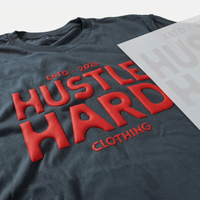
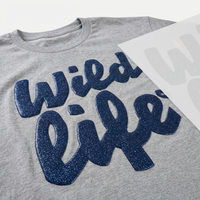
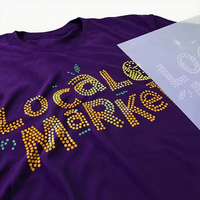
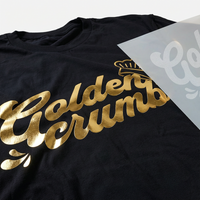









You've got the DTF transfer, you've got the blank, and you're ready to create some custom apparel magic. But wait—there's a zipper running right through your print area. Or maybe it's a row of buttons throwing off your game. Don't let these obstacles derail your project. Whether you're personalizing polos for a corporate event, customizing hoodies for your clothing line, or adding flair to button-up baseball jerseys, this guide will equip you with pro-level techniques to handle these tricky garments like a seasoned expert.
We've tapped into our wealth of industry experience to bring you practical, time-saving tips and essential supplies that will elevate your heat-pressing game. So roll up your sleeves—it's time to turn those pressing problems into picture-perfect results.

Table Of Contents
- What You Need
- First Option: Isolate The Print Area
- Second Option: Heat Pressing Over All
- Tips For Heat Pressing Garments With Zippers, Buttons, And Seams
- Polo Shirts And Quarter Zips
- Button-Up Shirts And Full Zips
- Garments With Protruding Seams
- More Pro Tips For Pressing Garments With Zippers, Buttons, And Seams
- Conquering Garment Challenges For Successful DTF Prints
What You Need
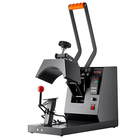
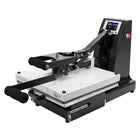
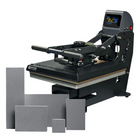
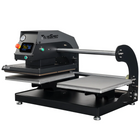
- Heat Press Machine: A heat press is the primary recommended tool for applying transfers. A Cricut or home iron can work for smaller projects and can be handy for dealing with buttons and zippers.
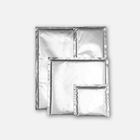
- Heat Press Pillows: Various sizes to create even surfaces over protruding elements.
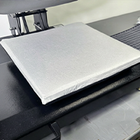
- Garment Protector Pad: Shields your garment from direct heat and provides extra padding.
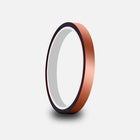
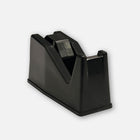
- Thermal Heat Tape: Secures transfers in place during positioning.
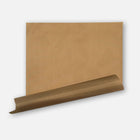
- Protective Guard Sheets: Prevent direct contact between the heat press and garment (parchment paper, craft paper, or butcher paper can substitute).
- DTF Transfers: Your custom designs printed on film and ready for application.
- Blank Garments: The canvas for your creations.
- Ruler And Cutting Mat: For precise measurements and safe cutting.
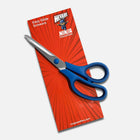
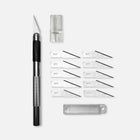
- Exacto Knife Or Sharp Scissors: To modify transfers when necessary.
First Option: Isolate The Print Area
When dealing with zippers, buttons, or seams, your primary goal is to create a flat surface for even heat distribution. The most straightforward approach is to isolate your print area:
- Hang protruding elements off the platen: Position your garment so zippers, buttons, or bulky seams hang off the edge of your heat press platen. This can create a smooth, flat surface for pressing, but it’s not always possible depending on garment size and design location. Reference our DTF transfer placement guide.
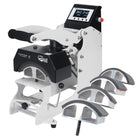
- Utilize smaller platens: If you have sleeve or hat platens, thread the section you want to print over the smaller platen, allowing problematic areas to hang freely. This works especially well for left chest prints on polos.
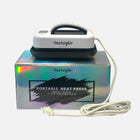
- Try mini presses or irons: For tight spaces, use a mini Cricut press or a household iron. These tools let you apply heat precisely around buttons or zippers (like a polo button placket) without crushing the surrounding area.

Second Option: Heat Pressing Over All
When you can’t avoid pressing over buttons, zippers, or seams, you can still achieve great results by creating an even surface and managing pressure carefully.
- Heat press pillows are your secret weapon. Place pillows between fabric layers so buttons or zippers sink into the cushion, creating a flatter print surface. You can stack pillows and mix sizes to fit different garment features.
- Adjust pressure settings: Start with less pressure than you’d use for a flat garment. Increase gradually until you get even contact across the transfer area. Always test your setup before a production run.
- Use a garment protector pad: A silicone garment protector pad helps distribute heat evenly and prevents direct platen contact with protruding elements. It works especially well when combined with pillows.

Tips For Heat Pressing Garments With Zippers, Buttons, And Seams
Now that we've covered the basic approaches, here are specific techniques for common garment types.
Polo Shirts And Quarter Zips
Polo shirts are a staple for workwear and uniforms, while quarter zips are popular for corporate casual and promotional items. Your goal is the same: keep the print area flat.
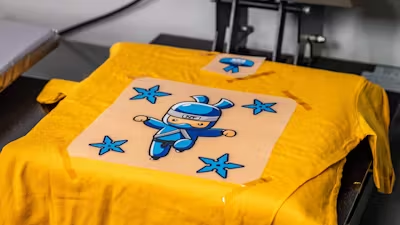
- For left chest and full back prints, position the garment so the button or zipper area hangs off the edge of the platen. Pre-tape your transfer on a nearby table to lock in placement before moving to the press.
- If you can’t avoid pressing over the placket, insert a heat press pillow between fabric layers under the print area so the closure can sink in. Adjust pressure to account for the added thickness.

Button-Up Shirts And Full Zips
- For button-up baseball jerseys and full-zip hoodies, start by laying out the garment flat and positioning your transfer. Mark where it intersects the placket or zipper, then use a ruler and cutting mat to carefully cut the transfer film in half using an exacto knife.
- Reposition both halves, leaving a small gap for the zipper or placket. For button-ups, unbutton and lay the placket flat over the buttons. Secure both halves with thermal heat tape. You may also want to tape the placket to keep it stable during pressing.
- Insert a large heat press pillow (or two) between fabric layers so the entire design sits on a level surface. Ensure the whole design area is under the top platen, then adjust pressure and press as normal.
- For button-up jerseys, peel the carrier film in the same direction as the placket to maintain alignment for the second press. If your design covers buttonholes, carefully cut through them with an exacto knife after pressing so the shirt can still be buttoned.
- Alternative full-zip technique: Some hoodies have a fabric lip on both sides of the zipper. You can press the full design over the zipper for the first press. After peeling (but before the second press), cut along the zipper, then unzip the hoodie while keeping the design aligned for the second press. This helps seal the design right up to the zipper cover.
Garments With Protruding Seams
- If you can’t thread the garment over a smaller platen, use the off-the-edge technique: position seams or pockets off the platen edge so your print area stays flat.
- For unavoidable seams or pockets, use heat press pillows. Choose a pillow slightly larger than the print area and insert it between layers under the print zone.
- Combine the pillow with a silicone protector pad for even pressure distribution and added scorch protection—especially on delicate fabrics.
- For minor protrusions (collar seams, subtle pocket edges), fold multiple sheets of paper (parchment, butcher, or craft paper) into a custom “mini pillow” insert.

More Pro Tips For Pressing Garments With Zippers, Buttons, And Seams
- Mousepads offer a versatile alternative to heat press pillows. Cut them down to left chest or sleeve size for targeted elevation above buttons, zippers, or seams.
- For larger print areas, dense foam sheets are a go-to solution. Use harder foam about ½ inch thick (not spongy craft foam). Cut to size, round corners, and label by print size for quick use.
- Create a custom lower platen pad with foam sheets for special use cases (like full zip hoodies). Cut a center groove so a zipper can sink in while the print area stays flat.
- Use multiple pressings. DTF transfers handle multiple presses well, so you can apply the main design and then touch up problem areas. Just be mindful of scorch risk and use proper protection. See how to avoid scorching.
- Keep parchment, craft, or butcher paper on hand. Fold multiple sheets into custom inserts or use them as protection over tricky seams and collars.
- Prep your technique before production. Dial in settings and test your setup first so you can maintain consistency across the run.

Conquering Garment Challenges For Successful DTF Prints
Mastering the art of heat pressing garments with zippers, buttons, and seams opens up a world of possibilities for your custom apparel business. By applying these techniques and tips, you'll be able to tackle even the most challenging projects with confidence. The key is creating a flat, even surface for your transfers while protecting the garment’s unique features.
As you refine your skills, don’t be afraid to experiment and find what works best for your specific needs. Ninja Transfers is here to support your creative journey with high-quality DTF transfers, essential supplies, and premium blank apparel from Ninja Blanks. Together, we’ll help you achieve your custom apparel goals and impress your clients with flawless, professional results.