
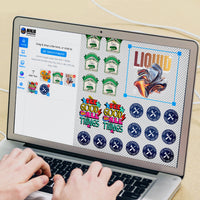
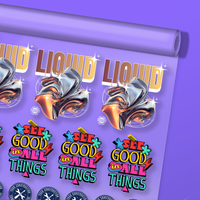
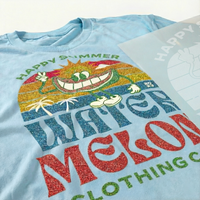
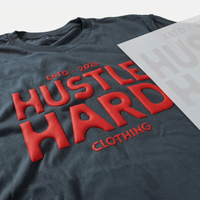
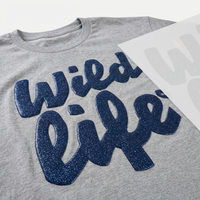
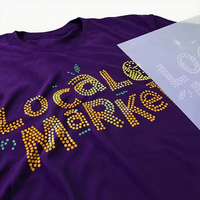
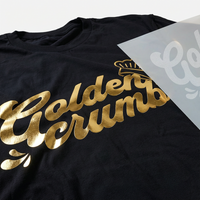
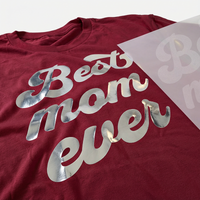









Facing the decision between heat transfer and sublimation for your next project or business? Your Transfer Sensei is here to sort out the differences. This in-depth guide compares each method's unique features, benefits, and challenges, equipping you with the insight to make an informed decision on your pathway to a mastery of print techniques. Let's begin.
Table of Contents
- Understanding heat transfer printing
- Heat transfer vs. sublimation: What’s the difference?
- Types of heat transfers
- Understanding sublimation printing
- Heat transfer vs. sublimation: Which is better?
- FAQs
Understanding heat transfer printing
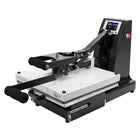
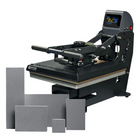
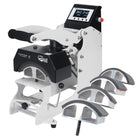
Heat transfer is a versatile method of imprinting a design onto various materials through a combination of heat and pressure. Initially printed onto a different medium (vinyl, paper, or film), the design is transferred to the final product by applying varying degrees of heat and pressure, usually with a heat press machine.
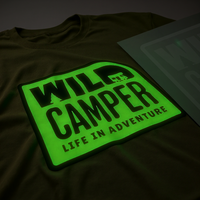
The beauty of heat transfer printing is its diversity. The term encompasses a variety of techniques, including heat transfer vinyl (HTV—cut vinyl or printed vinyl), heat transfer paper (inkjet, laser, or sublimation paper), screen print transfers (plastisol ink), and DTF (Direct-to-Film transfers).
Each variation has unique features, advantages, and limitations, offering users a broad range of options to achieve their desired results. Dye sublimation printing, also known as “dye-sub” or just sublimation, stands out with distinctive properties and outcomes.

Heat transfer vs. sublimation: What’s the difference?
Dye sublimation is a form of heat transfer printing, but its process and outcomes put it in a category of its own. Like other heat transfer methods, sublimation uses heat and pressure—but it transforms solid ink into gas during pressing, bypassing the liquid phase and permanently bonding the dye to the material.
This is what makes sublimation so unique: vibrant, photo-realistic prints with no raised feel and exceptional durability. It can also enable “all-over” printing on apparel (using large-format equipment). The tradeoff is versatility—sublimation only works on light-colored, polymer-based surfaces (primarily polyester fabrics and poly-coated hard goods).
Types of heat transfers
The various materials used in heat transfer printing each offer unique benefits and outcomes. They cater to different needs, enabling a wide range of design styles and applications.
Heat transfer vinyl (HTV)
Heat Transfer Vinyl (HTV) is a specialized vinyl used to imprint designs on an assortment of items. It comes in two primary forms: cut vinyl and printed vinyl.
Cut vinyl
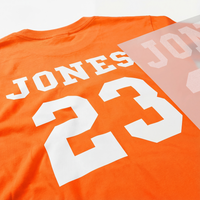
Cut vinyl is typically used for single-color designs and is commonly used for lettering and numbering. To use cut vinyl, a design is cut out of the vinyl using a machine such as a Cricut or Silhouette. Then, using a heat press (or iron), the design is transferred onto the material.
- Pros: Durable, versatile, and available in many colors and special effects (glitter, foil, metallic, reflective). Affordable and great for bold, solid designs on any color garment.
- Cons: Not ideal for intricate artwork. It sits heavier on fabric, which can impact comfort. Requires a cutting machine and there can be a learning curve.
- Best used for: Names, numbers, and simple graphics for uniforms, team wear, and personalized items (tees, totes, hats).

Printed vinyl
Printed vinyl expands HTV beyond single-color designs by allowing full-color prints, gradients, and photographic artwork.
- Pros: Supports full color, photo prints, and gradients. Can be used on any garment color and most fabric types.
- Cons: Often requires weeding, which can be slow and tricky for detailed designs. Like cut vinyl, it can feel heavier and reduce breathability—especially with large prints.
- Best used for: Small quantities of multi-color designs when you already have the workflow and equipment.
With the rise of Direct-to-Film (DTF) transfers and newer self-weeding laser transfer papers, printed vinyl is used less often. These newer methods typically offer higher detail, better versatility, and less labor—especially for complex artwork.
Heat transfer paper
Heat transfer paper involves printing a design onto specially coated paper, then transferring it onto the surface using heat. The simplicity and ability to use standard printers make it a popular entry-level option.
Different types are available, including inkjet, laser, and sublimation paper (sublimation is covered later in this article).
- Pros: Affordable and easy to start. No specialized equipment beyond the correct printer (inkjet or laser, depending on paper) plus a heat press or iron.
- Cons: Typically less durable than other heat transfer methods. Designs may fade or crack after repeated washing. Some types are challenging on dark garments and can leave a visible “film” edge.
- Best used for: DIY projects, crafting, and small-scale personalization on apparel and certain hard goods.
Screen print transfers
Screen print transfers combine the vibrancy and color accuracy of screen printing with the flexibility of applying transfers later. Designs are screen printed onto specialized transfer paper with adhesive powder, dried, and stored until you’re ready to apply them with heat.
- Pros: Bright colors, strong durability, and Pantone/spot-color accuracy (a classic screen printing advantage). Efficient for recurring designs because transfers can be printed in bulk and pressed on demand.
- Cons: Requires screens for each color, which increases setup time and cost—especially for multi-color designs. Fine details and smooth gradients can be difficult.
- Best used for: Getting a traditional screen printed look, bulk runs of the same design, and situations where you want to press later (events, team orders, merch drops).
Direct-to-Film (DTF) transfers
DTF is a modern heat transfer method that combines digital printing with a transfer process using PET film, specialized inks, and hot-melt adhesive powder. A key differentiator is a printed white underbase (for opacity on dark goods), followed by adhesive powder. After pressing, the film peels away cleanly. Learn more about DTF transfers.
- Pros: Vibrant full color with excellent detail on many fabrics (including dark and textured). Minimal setup, strong durability, and great flexibility—especially for small runs and multi-color designs.
- Cons: Large solid prints can feel like a thin, stretchy layer on the fabric (less breathable). For printers, DTF equipment and consumables can be a significant upfront investment.
- Best used for: Intricate, multi-color designs; small-to-medium runs; pressing the same design onto many fabric types; and print-on-demand workflows using pre-printed transfers.

Understanding sublimation printing
Sublimation printing uses heat to transfer dye into polyester fibers or polymer-coated surfaces. Instead of sitting on top of the material, the dye becomes part of it, which is why sublimation prints can be so durable and smooth.
How sublimation works
Sublimation is a process where a substance changes from solid to gas without becoming liquid. Sublimation printing harnesses this with specialized sublimation ink.
The process involves printing onto sublimation paper using sublimation ink. When heat pressed, the dye turns into a gas and bonds with polyester fibers (or a poly-coated surface). As it cools, it returns to a solid state—effectively dyeing the material.
Pros and cons of sublimation
- Pros: Produces vibrant, full-color prints that won’t crack, peel, or fade easily. The best “hand feel” in printing—no raised texture because the dye becomes part of the material.
- Cons: Limited to polyester fabrics or poly-coated items. Best on light colors (ideally white). Edges can appear slightly softer than other methods because the dye diffuses into fibers.
- Best used for: Photographic, full-color designs on light polyester apparel and poly-coated hard goods (mugs, keychains, mouse pads, etc.).

What is all-over printing?
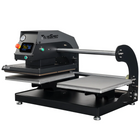
All-over printing is a continuous design that covers an entire garment—across panels, seams, and edges. This is typically done with large-format sublimation printers and industrial presses, often pressing large sections (or panels) in a way that enables full-coverage artwork.
This capability unlocks immersive designs without the placement limits of standard chest prints, making sublimation a go-to for bold, standout garments.

Heat transfer vs. sublimation: Which is better?
Heat transfer methods shine for flexibility: you can decorate many materials, choose different looks/feels, and scale from DIY to pro production. But print quality, hand feel, and durability vary widely depending on the specific heat transfer method you choose.
Sublimation stands out for permanent, ultra-smooth prints with incredible longevity—but it’s limited to light-colored polyester and poly-coated items.
So which is better? If you’re printing vibrant, permanent designs on light polyester (or want true all-over prints), sublimation is the clear winner. If you need versatility across garment colors and fabric types—or want a simpler press-at-home workflow—heat transfer methods (especially DTF) are often the best fit.
When it's time to bring your creative vision to life, Ninja Transfers is your trusted ally—providing top-quality DTF transfers to help you unleash your potential as a Transfer Ninja.

FAQs
To guide you further, we’ve answered some of the most common questions about heat transfer and sublimation printing.
What is a sublimation transfer?
A sublimation transfer is a design printed with sublimation ink onto sublimation paper, then transferred onto a polyester-based material or a poly-coated item. Heat turns the dye into a gas that bonds with the substrate, creating a vibrant, long-lasting print.
What’s the difference between sublimation and vinyl?
Sublimation dyes the material (best for light polyester and poly-coated items), creating a print with no raised feel. Vinyl (HTV) is a colored or printed film that’s cut into shapes and heat-applied on top of a garment—ideal for bold, simple designs on many fabric types.
Can sublimation ink be used on heat transfer paper?
Not effectively. Sublimation ink is formulated for sublimation paper and polyester/poly-coated substrates. Using it on standard heat transfer paper typically produces poor results and can create workflow issues depending on your printer and materials.
How long does heat transfer vinyl last?
With proper application and care, HTV can last 50 washes or more. Longevity depends on vinyl quality, correct time/temp/pressure, and washing/drying habits (cool wash, inside out, low heat drying helps).