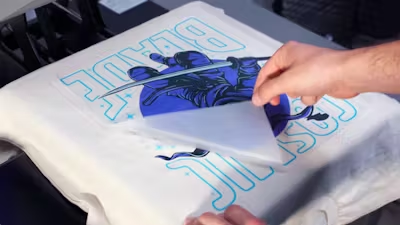


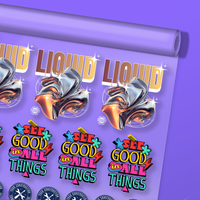
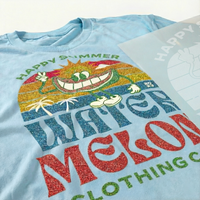
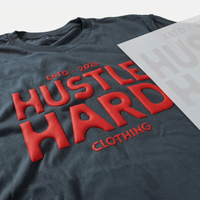
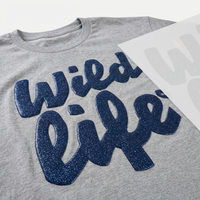
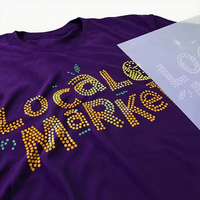
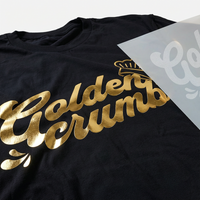
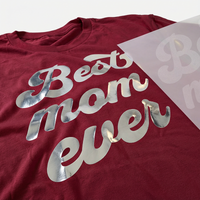

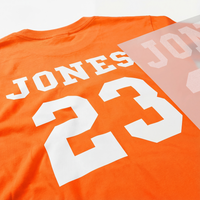





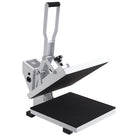
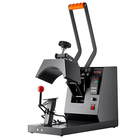
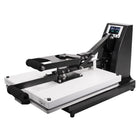
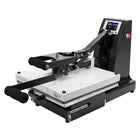



No matter what type of heat transfers you're applying, you need a heat press machine to bond the transfer to the apparel.
Matching the many heat press variables like size, type, and functionality with your specific needs can feel overwhelming,
so we’ve created this simple guide on how to pick a heat press.
Setting aside the impact picking the right shirt heat press can have on your business, remember one simple thought:
All heat press machines do the same thing. They provide consistent heat and pressure for a specified amount of time.
Table of Contents
- 3 important features
- Print area size
- Heat press type
- Quality construction
- Other important features
- Needs-specific factors
- Conclusion
3 important features
Heat presses come in a wide range of configurations with many features, but we’ve simplified it down to the three most important. In our experience, starting here is the fastest path to the right choice.
Print area size

The size of your print area determines what you can decorate. Consider your current projects and likely future projects so your press won’t become the bottleneck as you grow.
Common heat press sizes
Very small (label press): Typically 4”×6”, 6”×6”, or 6”×8”. Great for baby clothes, sleeves, tote bags with seams, and other awkward placements.
Small: 9”×12”, 11”×15”, 12”×14”, or 14”×16”. Affordable and common for hobbyists. A solid choice for letter-size transfers (8.5”×11”), patches, and smaller graphics.
Medium (standard): 15”×15” or 16”×16”. Large enough for most decorators, with better wattage for repeat pressing—and typically far less expensive than going “large.”
Large: 16”×20”. Handles tabloid transfers (11”×17”), full-front/full-back, and names/numbers for teams. Often the size salespeople push first, but it can be more press than many people need.
Very large: 18”×20” up to 40”×64”. Expensive and specialized—usually not necessary for t-shirts without professional guidance.
A helpful rule of thumb: choose a platen about 1 inch larger than your largest graphic in each dimension. Many consider anything larger than 14”×16” “standard” because it accommodates the majority of professional apparel work.
Heat press type
Clamshell, swing-away, and draw are the three major types of t-shirt heat press machines. Each has strengths and tradeoffs, so pick the one that fits your space, workflow, and product mix.
Clamshell presses

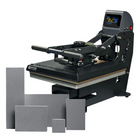
Clamshell presses open like a clam with an upper and lower platen. They’re popular because they’re simple, compact, and fast to operate. Depending on platen style and clearance, they can be less forgiving with thicker items.
Benefits: Portable, affordable, minimal footprint.
Drawbacks: Can struggle with thick items; some designs increase burn risk if clearance is limited.
Swing-away presses

Swing-away presses lift up and pivot away from the garment, giving you full access to place transfers safely and accurately. They tend to be more versatile across product types and thicknesses.
Benefits: Very versatile; less likely to burn garments during layout; great for thicker items.
Drawbacks: Requires more space; heavier (less portable); typically higher cost.
Draw presses

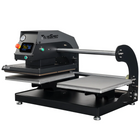
Draw presses combine elements of clamshell and swing-away. The lower platen slides out toward you, giving better access while keeping a smaller footprint than many swing-away options.
Benefits: Efficient workflow, limited footprint, improved access and versatility.
Drawbacks: The biggest downside is cost.
Bottom line: clamshell presses are often the most affordable, swing-aways are excellent for versatility and production environments, and draw presses aim to deliver the best of both. Always compare manufacturer specs for the most accurate details.
Quality construction
Print size and press type don’t matter much if your equipment isn’t reliable. Quality construction is crucial—especially if you’re pressing frequently or running a business.
What to look for
Metal construction: Steel or aluminum builds are a strong indicator of durability. Many low-cost presses use plastic components that fail under regular use.
Cast aluminum heating plate: Better presses deliver even, predictable heat. The highest-quality units use heating rods embedded in the plate for more consistent heat distribution.
Commercial durability: Imported presses can be fine for lighter use, but commercial-grade presses are designed for heavier workloads.
Brands to consider
- Stahl’s
- HIX
- Geo Knight & Co.
- Insta Graphics
Safety and warranty checks
Safety certification: UL or ETL certification is a strong positive signal. Lack of certification is a red flag.
Avoid Z-pattern heating coils: Many cheap presses use a Z-pattern coil layout, which creates cold spots and inconsistent results.
Avoid limited (or no) warranty: If a manufacturer won’t stand behind the press, it’s usually not a good long-term value.
Other important features
After size, type, and build quality, the next set of decisions comes down to usability (how easy it is day-to-day) and needs-specific factors (features that matter only for certain workflows).
Usability
Easy opening and closing: From auto-open manuals to air-powered automatics, easier operation reduces fatigue and increases output.
Digital time and temperature: Digital controls are typically more accurate and easier to operate than analog dials.
Elevated lower platen: Makes it easier to mount garments and apply multiple transfers. (Often seen on certain Hotronix®, Mighty Press®, HIX, and Geo Knight models.)
Wattage: Higher wattage helps the platen recover faster between presses—especially important for repetitive production.
Pressure setting: Repeatable pressure control helps when switching between garment thicknesses. Some presses make pressure easier to set (or more consistent) than “pressing by feel.”
Needs-specific factors
Weight
If you need mobility (events, pop-ups, on-site pressing), weight matters. Two presses with the same platen size can vary dramatically in weight depending on construction.

Pneumatic drive
High-volume shops often use pneumatic presses to reduce physical effort. Compressed air does most of the work, which can boost consistency and throughput.
Interchangeable platens
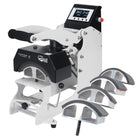
If you regularly press different garment sizes or placements, interchangeable platens can improve results and speed.
Maximum material thickness
If you press thicker items (like patches, heavy garments, or layered placements), compare thickness capacity. Understanding this spec helps you choose a press that matches what you actually decorate—whether it’s custom patches or DTF transfers.
Attachments for other products
Many heat presses support attachments for hats, mugs, shoes, notebooks, and more. If you plan to expand your product mix, check the availability (and cost) of compatible add-ons.
Conclusion
Selecting the right heat press can feel complicated, but it gets simple when you focus on the fundamentals. First, understand what you’ll be decorating now (and next). Second, choose the right size, type, and build quality. Finally, layer in usability and needs-specific features that match your workflow. The result is the best heat press for your needs—without overbuying.