








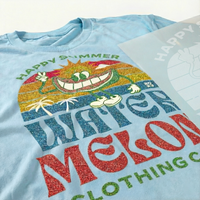
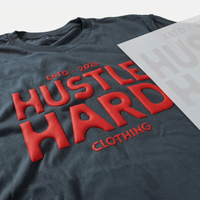
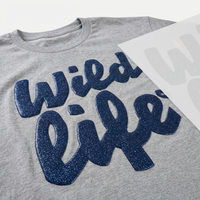




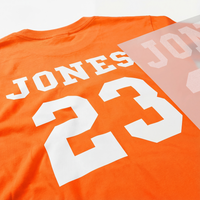



















Polyester has become a cornerstone of modern apparel, especially in the performance wear and athletic clothing markets. Its durability, moisture-wicking properties, and wrinkle resistance make it a popular choice for everything from basic t-shirts to high-end athletic gear. But even this resilient fabric requires proper care to maintain its quality and extend its lifespan.
Whether managing inventory for your custom apparel business or caring for your personal performance wear collection, this comprehensive guide will walk you through the essential steps of washing polyester apparel correctly—including 50/50 and other cotton/poly blends. We’ll cover best practices for cleaning, drying, and maintaining polyester garments, plus expert tips for handling common issues like static and pilling.
Table of Contents
- Before You Wash: Understanding Polyester
- Step-by-Step Washing Guide
- Drying Polyester Properly
- Special Care for DTF-Printed Polyester
- Tips for Dealing With Common Issues
- Long-Term Care Tips
- Proper Care Prevents Most Polyester Problems

Before You Wash: Understanding Polyester
Polyester is a synthetic fiber made from petroleum-based materials through a chemical process that creates long, stable molecules. Unlike natural fibers such as cotton, polyester’s molecular structure gives it inherent strength and resistance to stretching, shrinking, and wrinkling. This unique composition also makes polyester naturally hydrophobic, meaning it repels water rather than absorbing it.
Most performance wear and athletic garments use 100% polyester or polyester blends because of these moisture-wicking properties. When you sweat, moisture moves through the fabric to the outer surface, where it evaporates quickly—helping keep you dry and comfortable during physical activity.
While polyester is generally durable, incorrect washing methods can lead to issues like pilling, static buildup, or even permanent damage to the fabric structure. Heat is particularly important to monitor, as excessive temperatures can cause polyester fibers to weaken or melt.
Although most polyester garments share similar care requirements, manufacturers may include specific instructions based on garment construction, dyes, or special treatments. Extra precautions may be necessary for items with DTF transfers to protect printed designs.

Step-by-Step Washing Guide
Pre-Wash Preparation
- Read care labels carefully for temperature limits and special instructions.
- Sort garments by color—polyester can release dye during initial washes.
- Avoid washing polyester with heavy fabrics like denim or items with zippers.
- Turn garments inside out to reduce abrasion and pilling.
- Pre-treat stains using a gentle stain remover designed for synthetic fabrics.
Machine Washing Tips
- Use cold or warm water—never hot.
- Select a gentle or delicate cycle.
- Use mild detergent without bleach or fabric softeners.
- Keep loads light to ensure proper rinsing.
- Use mesh laundry bags for delicate or performance garments.
Hand Washing Method
- Fill a basin with cool water and add mild detergent.
- Turn garments inside out before submerging.
- Soak for 10–15 minutes if heavily soiled.
- Gently agitate the fabric—do not scrub.
- Rinse thoroughly with cool water.
- Press out excess water—avoid wringing.

Drying Polyester Properly
Polyester dries quickly compared to natural fibers. Air drying is the safest option—hang garments on plastic hangers or lay flat on a drying rack away from direct sunlight.
If using a dryer, select the lowest heat setting or “air fluff.” Remove garments while slightly damp to reduce wrinkles and static. Never use high heat, which can damage or melt fibers.
Performance wear often includes specialized treatments that can degrade under heat. Air drying helps preserve moisture-wicking properties and extend garment life.
Special Care for DTF-Printed Polyester
DTF transfers are durable and flexible, but a few precautions help maintain print quality. Turn garments inside out before washing and use gentle cycles to minimize friction.
Avoid high heat at all costs. Wash in cold or warm water and air dry whenever possible. If machine drying is necessary, use the lowest setting.
For most DTF-printed polyester garments, standard gentle machine washing works perfectly—just avoid harsh detergents and fabric softeners.

Tips for Dealing With Common Issues
- Static: Add ¼ cup white vinegar to the rinse cycle or use dryer sheets on low heat.
- Pilling: Wash inside out and avoid high agitation; remove pills with a fabric shaver.
- Color Fading: Wash in cold water and use detergents formulated for dark colors.
- Wrinkles: Steam or iron on low heat using a pressing cloth—never iron prints.
- Odors: Pre-soak in water and white vinegar before washing.
- Melted Areas: Unfortunately irreversible—always monitor heat settings.
- Stains: Treat immediately with stain remover or dish soap for oil-based stains.
Long-Term Care Tips
- Storage: Hang on plastic hangers or fold neatly in a cool, dry place.
- Washing Frequency: Wash performance wear after each use; casual items less often.
- Load Size: Avoid overcrowding washers and dryers.
- Quality Checks: Inspect seams, prints, and friction points regularly.
- Seasonal Rotation: Rotate garments during high-use seasons.
- Professional Cleaning: Consider for embellished or specialty items.

Proper Care Prevents Most Polyester Problems
By following these care tips, your polyester garments—including those with DTF prints—can stay looking new for years. Moderate temperatures and gentle detergents make all the difference.
Reusable mesh garment bags are a smart investment for protecting prints and delicate fabrics. When it’s time to restock, Ninja Blanks offers premium polyester options that pair perfectly with Ninja Transfers DTF prints.


