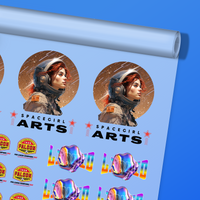
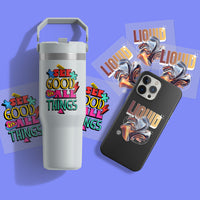
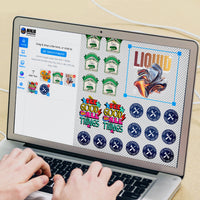
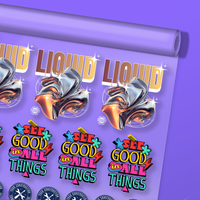
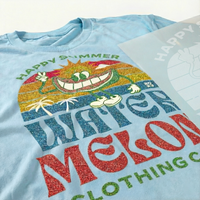
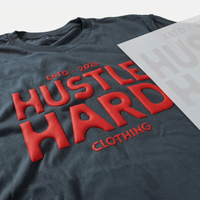
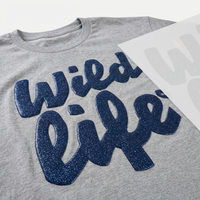
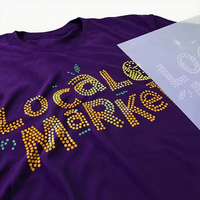






At the crossroads of print methods for your upcoming project or business plan? If you're deciding between DTF and screen printing, our detailed guide is here to illuminate your path. We delve into the features of each technique, explain the differences, and look at the advantages of each–as well as potential challenges. Armed with knowledge and clarity, you'll make the wise choice on your journey. Let's begin.
Table of Contents
- DTF vs. Screen Printing: The Big Picture
- What is DTF printing?
- What is screen printing?
- What are screen print transfers?
- DTF vs. Screen Printing for Businesses
- Key differences that affect cost, speed, and output
- DTF vs. Screen Printing for Individuals and Brands
- How they compare: quality, cost, versatility, durability
- Which is better for your project?
- Frequently Asked Questions
DTF vs. Screen Printing: The Big Picture
Both methods are popular and produce excellent results. To properly compare these two titans of the printing world, along with the hybrid method of screen print transfers, let's take a look at what they are, how they work, and how they differ.
What is DTF printing?
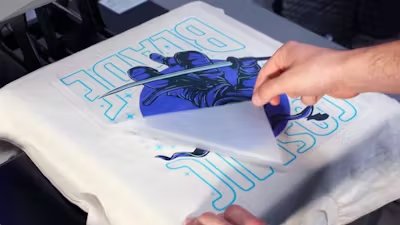
Direct to Film (DTF) is a cutting-edge customization method that involves printing a design directly onto a film and coating it with adhesive powder. The printed design is then transferred to a substrate (usually fabric) with a heat press, resulting in a durable, vibrant, high-quality print. DTF transfers shine in their versatility—they can transfer intricate, full-color designs onto a wide range of materials, even those hard-to-print dark and textured surfaces.

What is screen printing?
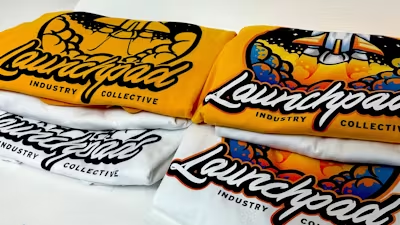
Traditional screen printing involves creating a stencil (or screen) for each color in a design and pushing layers of ink onto the print surface. Each color is applied using a different screen, one at a time, and combined to achieve the final look. Screen printing is famous for its durability and vibrant colors, and it's a popular choice for bulk orders due to its cost-effectiveness in large quantities.

What are screen print transfers?
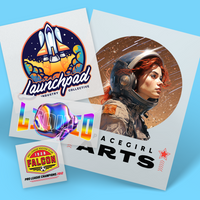
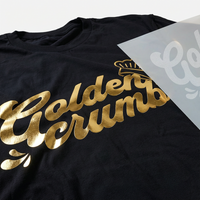
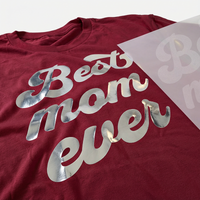
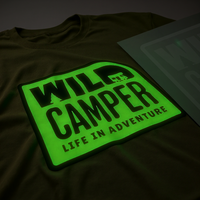
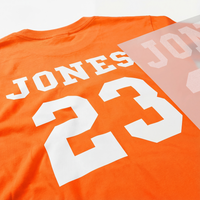
Screen print transfers are a sub-category of screen printing that involves printing a screen-printed design onto a special release paper. The printed design on the release paper can then be heat pressed onto a substrate, just like a DTF print. This method offers many benefits of traditional screen printing, but with added convenience – you can print the transfers in bulk and apply them later.
DTF vs. Screen Printing for Businesses
Businesses, especially those in the printing industry, must choose their printing method carefully, considering several factors that can significantly impact the bottom line and customer satisfaction. Below is a practical breakdown of how DTF compares to screen printing (and screen print transfers) from a business perspective.

Key differences that affect cost, speed, and output
Setup and running costs
Traditional screen printing involves higher upfront costs that cover screen creation, ink, and labor, especially when dealing with multi-color designs. Pre-printed DTF transfers and screen print transfers have lower setup costs, allowing for more affordable small batch productions.
Design complexity and colors
DTF excels in handling intricate, multicolored designs as it can print full-color images in a single pass. Screen printing is ideal for simpler designs or designs with fewer colors due to the need for a separate screen for each color.
Versatility
DTF is highly versatile and can print on various materials, including dark and textured fabrics. Screen printing, while effective on light, smooth surfaces, struggles with darker materials and requires different types of ink for different materials.
Turnaround time
DTF can offer a faster turnaround, particularly for small to medium-sized orders or designs with many colors, since it prints all colors simultaneously. Screen printing requires more time for creating screens and drying between each color layer.
Durability
Both methods offer high durability, but screen printing often has an edge when ink is applied directly to the fabric. With proper care, DTF prints can also last long.

DTF vs. Screen Printing for Individuals and Brands
Whether you're a hobbyist trying out a new printing technique or a startup brand looking to customize a small number of items, your chosen printing method will directly impact the final product. Below, we compare DTF, screen printing, and screen print transfers on the factors that matter most.

How they compare: quality, cost, versatility, durability
Quality of print
DTF transfers produce high-definition, photorealistic prints thanks to their ability to print full-color images with impressive detail. Screen printing delivers vibrant, opaque colors but struggles with complex or highly detailed artwork. Screen print transfers can look excellent, but the final result depends heavily on the quality of the original screen print.
Color reproduction
DTF excels in reproducing a wide range of colors in one print, making it ideal for colorful or complex designs. Screen printing requires a new screen for each color, making it best for designs with fewer colors or projects that need specific, accurate spot-color matching. Screen print transfers are limited by the same color-count realities as screen printing.
Cost implications
DTF has minimal setup costs and is economical for small batches and multi-color designs. Screen printing is typically more cost-effective at large quantities but has higher setup costs. Screen print transfers offer a middle ground if you plan to order transfers in bulk and press later.
Versatility
DTF works on a wide range of materials, including cotton, polyester, and blends (and performs well on dark fabrics). Screen printing is excellent on cotton and some synthetics but may require special inks or underbases for other materials. Screen print transfers offer similar material compatibility to screen printing.
Durability
With proper care, DTF transfers can withstand many washes without significant fading or cracking. Screen printing is highly durable and long-lasting, though thick prints can crack over time. Screen print transfers, when applied correctly, can also produce durable results.
Design constraints and opportunities
DTF enables intricate detail and full-color prints without added setup. Screen printing excels at simple, bold designs but becomes more complex (and costly) as color counts rise. Screen print transfers share the same design limitations as screen printing.
Turnaround time
DTF offers a quick turnaround for complex, multi-color designs. Screen printing can take longer due to screen setup and drying/curing time between layers. Screen print transfers press quickly once you have them in hand.
Ink types
DTF uses water-based pigmented inks with CMYK plus a white underbase for vibrant prints on dark garments. Screen printing commonly uses plastisol inks (petroleum-based) for durable, vibrant prints that require curing. Screen print transfers use the same ink systems as screen printing because they are created using that process.

Which is better for your project?
DTF is the better choice for vibrant, full-color designs on dark fabrics and is cost-effective for small runs. Screen printing is the go-to for large print runs featuring simpler designs because it becomes more cost-effective at scale.
So if your project involves complex, multi-color designs in smaller quantities, DTF is the superior choice. For simpler designs in large quantities, screen printing is the answer.
Should you seek further guidance, we at Ninja Transfers stand ready, committed to help you make the wise choice for your printing needs. When the time is right, we encourage you to unleash the power of DTF transfers and embrace your inner Ninja.
Frequently Asked Questions
Can I use DTF or screen printing on all types of fabric?
DTF printing works exceptionally well on light and dark fabrics and is compatible with cotton, polyester, and blends. Screen printing is versatile but may not provide the same vibrancy on darker fabrics without a base layer of white ink.
Is DTF more environmentally friendly than screen printing?
DTF printing uses water-based inks, requires no physical screens or harsh chemical cleaners, and is considered more environmentally friendly. Screen printing involves chemicals and solvents, especially during screen preparation and cleanup.
Is DTF safer for children's clothing than screen printing?
DTF and screen printing can be safe for children's clothing if the inks are non-toxic and correctly cured. Using inks compliant with safety standards like OEKO-TEX or CPSIA is recommended when printing for children.
How does the feel of DTF print compare to screen print?
DTF prints tend to have a softer hand feel and a smoother surface. Screen prints, while they can also be soft, typically sit thicker on the fabric, creating a more noticeable texture—especially on darker fabrics with a thick underbase of ink.
How durable is DTF compared to screen printing regarding washing and wear?
Both DTF and screen printing can be highly durable with proper care. When correctly applied, DTF prints can withstand many washes without significant fading or cracking. Screen prints can be very long-lasting but can crack over time due to thicker layers of ink.
Can I achieve the same level of detail in a design with DTF as I can with screen printing?
Due to its digital printing process, DTF excels at reproducing highly detailed and full-color designs. Screen printing can also produce complex designs but may be more limited for intricate, multi-color patterns due to the use of separate screens for each color.